Creating a Home for Entertaining: Window Treatment Tips
By Jordan Ellis · Published · Updated · 5 minutes read
When you host gatherings, your home's atmosphere matters as much as the food and company. Window treatments play a key role in setting the mood, controlling light, and making guests feel comfortable. From dimmable ambiance to easy cleanup, the right choices can transform your space into a welcoming entertainment hub.
This guide covers practical window treatment strategies for entertainment-friendly homes, including layering options, light control, and maintenance tips. We'll also share comparative data on popular styles so you can make informed decisions for your next renovation.
Set the Mood with Layered Lighting
Layering window treatments lets you adjust light throughout the evening. Start with sheer curtains or light-filtering shades to diffuse harsh daylight during pre-dinner drinks. Then add a second layer—blackout drapes or room-darkening roller shades—for later when you want a cozier, more intimate feel. This flexibility is key for entertaining, as it accommodates everything from a bright brunch to a candlelit dinner.
Consider motorized options for seamless transitions. With a remote or smartphone app, you can lower shades as the sun sets without interrupting conversation. Motorized blinds are especially useful for large windows or hard-to-reach spots. They also add a touch of luxury that guests notice. For a deeper dive, see Motorized Blinds: Are They Worth the Investment?.
Don't overlook the direction of your windows. South-facing windows bring strong afternoon sun, so you'll want effective glare control. East-facing windows give morning light that can be softened with sheer fabrics. West-facing windows can cause late-afternoon heat gain, making solar shades a smart choice. North-facing windows offer consistent, soft light and may only need minimal coverage.
- Use sheers or light-filtering shades for daytime softness
- Add blackout layers for evening ambiance
- Motorized treatments simplify adjustments
- Match treatment to window orientation for best light control
Choose Easy-to-Clean Materials
Entertaining often means spills, fingerprints, and dusty drapes. Opt for materials that wipe clean easily, such as faux wood blinds, aluminum blinds, or roller shades with a smooth finish. These stand up well to frequent cleaning and resist staining. Fabric treatments like curtains can be machine-washed if you choose cotton or linen blends, but always check care labels first.
In high-traffic areas like dining rooms and kitchens, consider moisture-resistant options. Vinyl or composite blinds are ideal for these spaces because they won't warp or fade. For a comprehensive cleaning routine, refer to our guide on How to Clean and Maintain Different Types of Window Blinds.
Another practical tip: choose treatments with simple mechanisms. Cordless lift systems or motorized options reduce wear and tear and are safer for homes with children or pets. They also look sleeker, which enhances the overall aesthetic of your entertaining space.
- Faux wood and aluminum blinds are easy to wipe down
- Moisture-resistant materials suit kitchens and dining areas
- Cordless and motorized systems reduce wear and tear
- Check care labels for washable fabrics
Create a Focal Point with Statement Treatments
Window treatments can serve as a design focal point, especially in rooms where you entertain. Floor-to-ceiling drapes in a rich color or pattern draw the eye and add drama. For a more tailored look, consider Roman shades with a bold trim or a distinctive texture. These treatments can complement your art and furniture, tying the room together.
If you have large windows or sliding doors, consider combining styles. For example, use Roman shades for a soft look and add side panels for a finished, custom feel. To understand the difference, read Drapery vs. Side Panels: Understanding the Differences. This combination offers both light control and visual impact.
Remember that scale matters. In a large room, go for substantial treatments that won't get lost. In smaller spaces, keep it simple to avoid visual clutter. The goal is to enhance the room's architecture, not overwhelm it.
- Use floor-to-ceiling drapes for drama
- Roman shades with trim add tailored elegance
- Combine styles for light control and style
- Scale treatments to room size
Control Glare for Screen Viewing
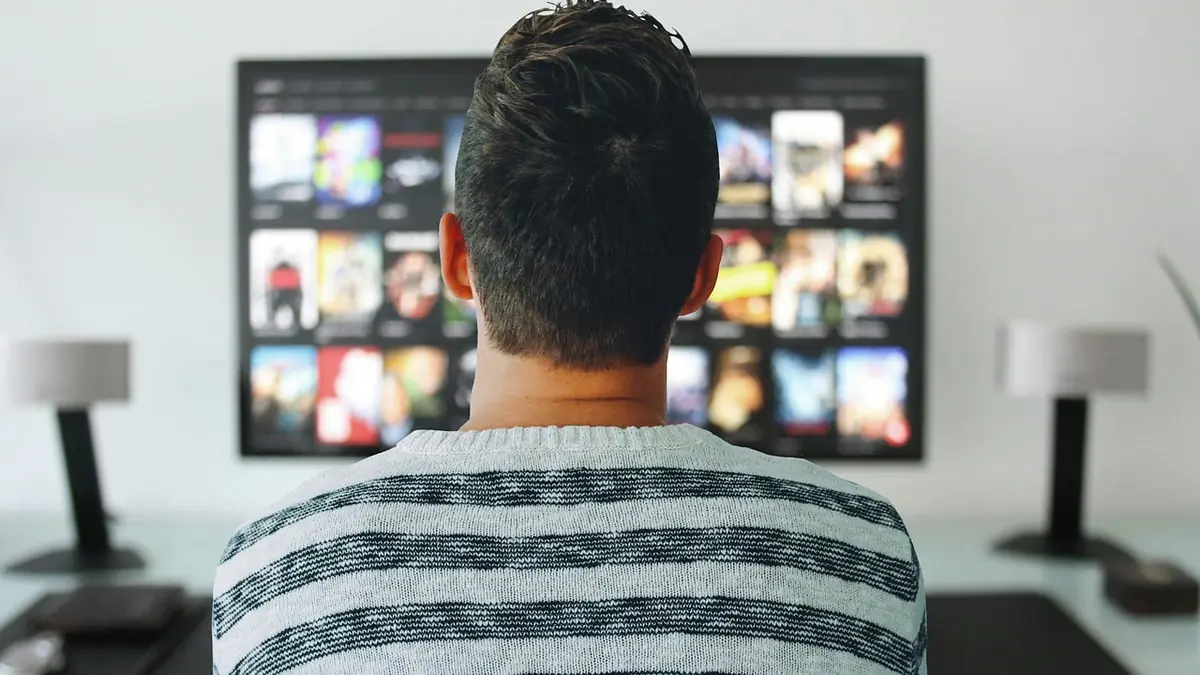
If you plan to show slides, videos, or sports games, glare control is essential. Blackout shades or drapes can darken the room effectively, but you may not want complete darkness. Consider top-down bottom-up shades, which let you position the fabric to block glare while still letting in some natural light. This is explained in Top-Down Bottom-Up Shades: What They Are and How They Work.
For rooms with TVs, avoid placing them opposite windows with direct sun. If that's unavoidable, use solar shades with a low openness factor to reduce glare without making the room feel closed in. Test different openness factors (3%, 5%, 10%) to find the right balance between view and glare reduction.
Motorized shades with preset positions make this easy: one touch sets the perfect lighting for movie night. They can also be integrated with smart home systems to sync with your TV or lighting scenes.
- Blackout shades for full darkness
- Top-down bottom-up for partial glare control
- Solar shades with 3-10% openness reduce glare
- Motorized presets simplify screen-time setup
| Treatment Type | Light Control | Ease of Cleaning | Typical Cost per Window (36x60 in) | Best For |
|---|---|---|---|---|
| Roller Shades | Good (blackout options) | Easy (wipe clean) | $150-$500 | Living rooms, media rooms |
| Roman Shades | Moderate to good | Moderate (vacuum or spot clean) | $200-$600 | Dining rooms, focal points |
| Motorized Blinds | Excellent (programmable) | Easy (remote control) | $300-$1,000 | Large windows, smart homes |
| Drapes | Moderate (with liners) | Moderate (dry clean often) | $400-$1,500 per panel | Formal entertaining areas |
| Faux Wood Blinds | Good (tilt control) | Very easy (wipe clean) | $80-$300 | Kitchens, casual spaces |
| Solar Shades | Good (glare reduction) | Easy (dust or wipe) | $150-$450 | Sunny rooms, TV areas |
Budget Wisely for Custom Treatments
Custom window treatments can be a significant investment, but they add polish and functionality to your entertaining space. Prices vary widely based on size, material, and features. For a typical 36x60-inch window, expect to pay $150-$500 for custom roller shades, $200-$600 for Roman shades, and $300-$1,000 for motorized options. Drapes can range from $400 to $1,500 per panel, depending on fabric and lining.
If you're outfitting multiple windows, costs add up quickly. Prioritize rooms where you entertain most, such as the living room and dining room. For a detailed breakdown, see our price guide: How Much Do Custom Window Treatments Cost? A Price Guide.
Consider a mix of custom and ready-made treatments to save money. Ready-made curtains can work well in less prominent areas, while custom shades in key rooms provide a tailored look. Also, look for sales and measure carefully to avoid costly mistakes.
- Custom roller shades: $150-$500 per window
- Roman shades: $200-$600
- Motorized shades: $300-$1,000
- Drapes: $400-$1,500 per panel
Simplify Hosting with Smart Features
Smart window treatments can make entertaining easier. Schedule shades to open in the morning and close at sunset, or set scenes for different occasions. For example, a 'party' scene could lower shades to 50% and turn on ambient lighting. Integration with voice assistants allows hands-free control while you're busy in the kitchen.
Motorized blinds also add a wow factor. Guests are often impressed when shades glide down silently at the touch of a button. Plus, they eliminate dangling cords, which is safer for children and pets. If you're considering motorization, read our article on whether Motorized Blinds: Are They Worth the Investment?.
For a simpler approach, consider cordless lift systems or wand controls. These are budget-friendly and still offer ease of use. The key is to choose a system that fits your lifestyle and entertaining style.
- Schedule shades for sunrise and sunset
- Create lighting scenes for parties
- Voice control for hands-free operation
- Cordless options for safety and simplicity
Balance Style and Function
Ultimately, the best window treatments for entertaining balance aesthetics and practicality. You want a look that impresses guests but also stands up to frequent use. Consider durable fabrics, easy-to-clean materials, and versatile light control. Don't forget about insulation: cellular shades or heavy drapes can keep the room comfortable when many people gather.
Also, think about noise reduction. Heavy curtains and thick shades absorb sound, making conversation easier in open-plan spaces. This is especially important if you host large groups. For a comparison of popular styles, see Roman Shades vs. Roller Shades: Which Is Right for Your Home?.
Finally, don't be afraid to mix patterns and textures to add personality. Window treatments are a relatively easy way to refresh your space and make it feel welcoming for every gathering.
- Durable fabrics withstand frequent use
- Insulating treatments improve comfort
- Heavy curtains reduce noise
- Mix patterns for personality
- Layer window treatments to adjust light and ambiance throughout your event.
- Choose easy-to-clean materials like faux wood or roller shades for high-traffic areas.
- Motorized and smart features add convenience and impress guests.
- Budget $150-$1,000 per window for custom treatments, prioritizing key entertaining spaces.
Jordan Ellis is the editor of NSWindowTreatments, with years of experience in home decor and window fashion. He is passionate about helping homeowners make informed decisions about window treatments that enhance both style and functionality.