Roman Shades vs. Roller Shades: Which Fits Your Windows?
By Jordan Ellis · Published · 4 minutes read
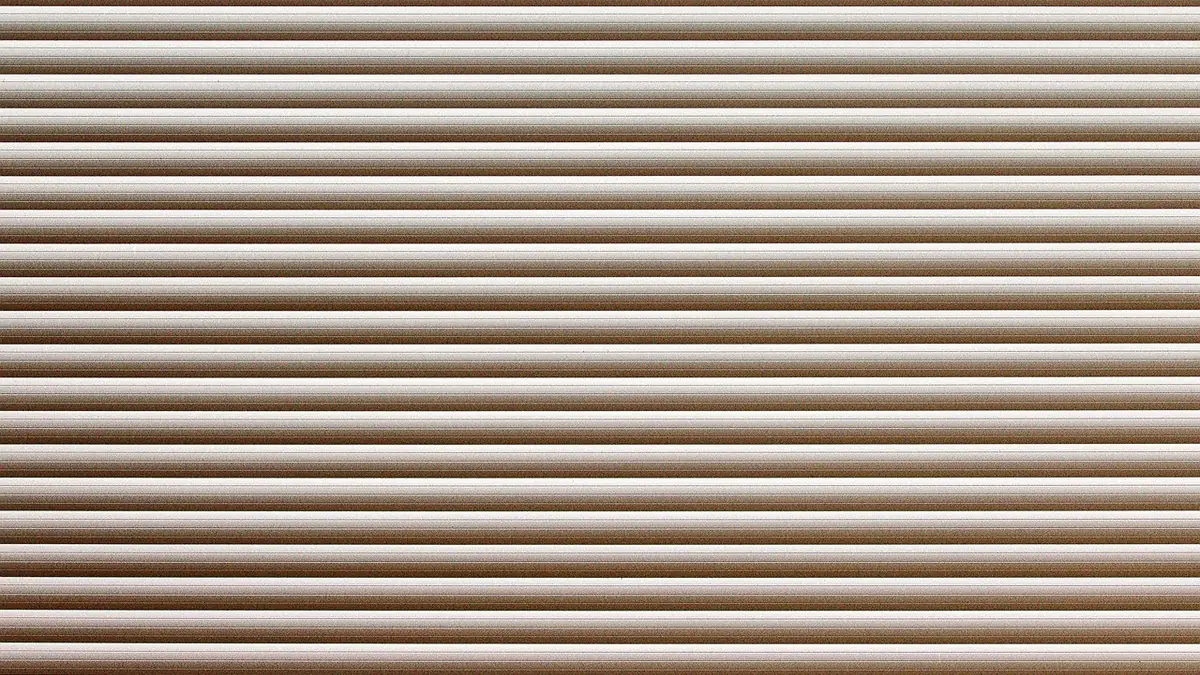
Roman and roller shades solve the same basic problem—covering a window with fabric that pulls up and down—but they behave very differently in a room. Roman shades stack into soft folds when raised and bring texture, color, and a tailored look. Roller shades roll flat around a tube and keep a low, clean profile.
The right choice usually comes down to how the window is used, not just how it looks. A patio door that gets constant traffic has different needs from a bedroom where you want near-total darkness. This guide compares construction, light control, cost, and maintenance so you can decide with clear expectations.
How Each Shade Is Built
A roller shade is a single piece of fabric wrapped around a spring-loaded or motorized tube, mounted at the top of the window. Pulling the fabric down covers the glass; releasing it lets the shade roll back up. Because the fabric sits flat and close to the glass, roller shades take up very little depth—often 1 to 2 inches—which matters on narrow sills or doors.
Roman shades are made of fabric with horizontal ribs or battens sewn in, so the material folds into even pleats as cords or a continuous loop raise it. The stack of folds takes up more room at the top of the window—typically 6 to 10 inches depending on how many folds the shade has. That stacked fabric is part of the charm, but it also means you need clear wall or ceiling space above the frame.
Both come in cordless, corded, and motorized versions. Cordless lift is now the default for safety in homes with children or pets, and it works well on both styles.
- Roller: flat fabric on a tube, shallow depth
- Roman: ribbed fabric folding into stacked pleats
- Both available cordless, corded, or motorized
Light Control and Privacy
Roller shades offer predictable control because the fabric stays taut and close to the glass. Blackout roller fabrics with side channels can get a bedroom very dark, and light-filtering versions soften daylight without hiding the view. The trade-off is that a standard roller leaves small gaps at the sides and top, so a few slivers of light creep in unless you add channels or an outside mount.
Roman shades give a softer, more diffused light through the fabric and folds. Blackout liners are available, but the pleats and the way the fabric hangs mean edges are rarely as tight as a roller. In a living room or dining space, that softness is often exactly what you want; in a nursery, it can mean a bit more morning glow than expected.
For rooms that need both, consider a two-layer approach: a blackout roller behind a decorative roman, or a roman with a separate blackout liner on a dual track.
Style, Fabric, and Customization
Roman shades win on visual variety. Flat-fold, relaxed, balloon, and hobbled styles each change the mood, and the fabric choice drives the look—linen for a casual feel, silk or a printed cotton for something dressier. Many homeowners use romans as a softer alternative to drapery, and they layer nicely with curtains or side panels. If you are deciding how much fabric to add around the window, this comparison of drapery and side panels is a useful next read.
Roller shades are more restrained by design. The appeal is a clean, flat plane of color or pattern, often used in modern, minimalist, and transitional rooms. Fabric options are broad—sheer, woven, blackout, and outdoor-rated—but the finished look is architectural rather than decorative.
Both can be customized with valances, cassette headers, and edge binding. Romans simply show more of the fabric and the craft.
| Feature | Roman shades | Roller shades |
|---|---|---|
| Stack depth at top | 6–10 in. of folded fabric | 1–2 in. roll |
| Light control | Soft, diffused; blackout liners available | Tight and predictable; blackout options common |
| Style range | Broad: flat, relaxed, balloon, hobbled | Clean and minimal; fabric-driven |
| Typical custom cost | $150–$500 per window | $100–$300 per window |
| Maintenance | Dust folds; many fabrics dry-clean only | Vacuum flat fabric; easy spot cleaning |
| Best rooms | Bedrooms, living and dining rooms | Kitchens, baths, doors, sliders, modern spaces |
| Operation | Cord, cordless, or motorized lift | Spring, clutch, cordless, or motorized |
Cost Expectations
As a general range, stock roller shades start around $30 to $80 per window, while custom roller shades typically run $100 to $300 per window depending on size, fabric, and lift system. Roman shades cost more because of the sewing, lining, and folding hardware: expect roughly $150 to $500 per window for custom romans, with large windows and premium fabrics pushing higher.
Motorization adds to either style, often $100 to $300 per window plus a hub or remote. Blackout liners, side channels, and cassette valances are add-ons that raise the total. For a fuller budget picture across all treatment types, see this price guide to custom window treatments.
If you are covering many windows on one floor, a mix often makes sense: romans on feature windows and rollers on secondary ones.
- Stock roller: $30–$80 per window
- Custom roller: $100–$300 per window
- Custom roman: $150–$500 per window
- Motorization: add $100–$300 per window
Maintenance and Durability
Roller shades are easy to live with. Dust the fabric with a vacuum brush attachment every month or two, and spot-clean according to the fabric care label. Because the fabric stays flat, it collects less dust in creases, and the mechanism—spring or motor—is simple. The most common failure is a stretched or tired spring on manual shades, which is usually a repair rather than a replacement.
Roman shades need a little more attention. Dust settles in the folds, and pleats can lose their crispness over time, especially in humid rooms. Fabric shades in kitchens or bathrooms should be lined or treated for moisture. Vacuum the folds gently and follow the care code; many fabrics are dry-clean only. This guide to cleaning and maintaining window blinds covers fabric-safe methods in more detail.
In high-traffic rooms, rollers generally hold up with less fuss; romans reward a bit of care with a longer-looking life.
Which Rooms Suit Which Shade
Roller shades suit doors, sliders, kitchens, bathrooms, and any window where you want unobstructed operation and a low profile. They are also the practical pick for windows behind furniture or in tight corners. In a home built for guests, rollers on the main floor keep sightlines clean while romans add warmth where people gather; these entertaining-focused treatment tips explain the layering approach.
Roman shades suit bedrooms, living rooms, dining rooms, and windows you want to soften. They pair well with curtains and work in traditional, coastal, and transitional interiors. Avoid full romans on doors that swing or slide frequently unless the shade is mounted outside the frame and clears the handle.
Measure carefully either way—inside versus outside mount changes the look and the light gaps. This step-by-step measuring guide walks through the process.
- Choose rollers for doors, kitchens, baths, and tight spaces where a low profile matters.
- Choose romans where you want softness, texture, and a more decorative window.
- Budget roughly $100–$300 per window for custom rollers and $150–$500 for custom romans.
- Add blackout liners or side channels if the room needs near-total darkness.
Jordan Ellis is the editor of NSWindowTreatments, with years of experience in home decor and window fashion. He is passionate about helping homeowners make informed decisions about window treatments that enhance both style and functionality.