Custom Window Treatment Costs: A Realistic Price Guide
By Jordan Ellis · Published · 5 minutes read
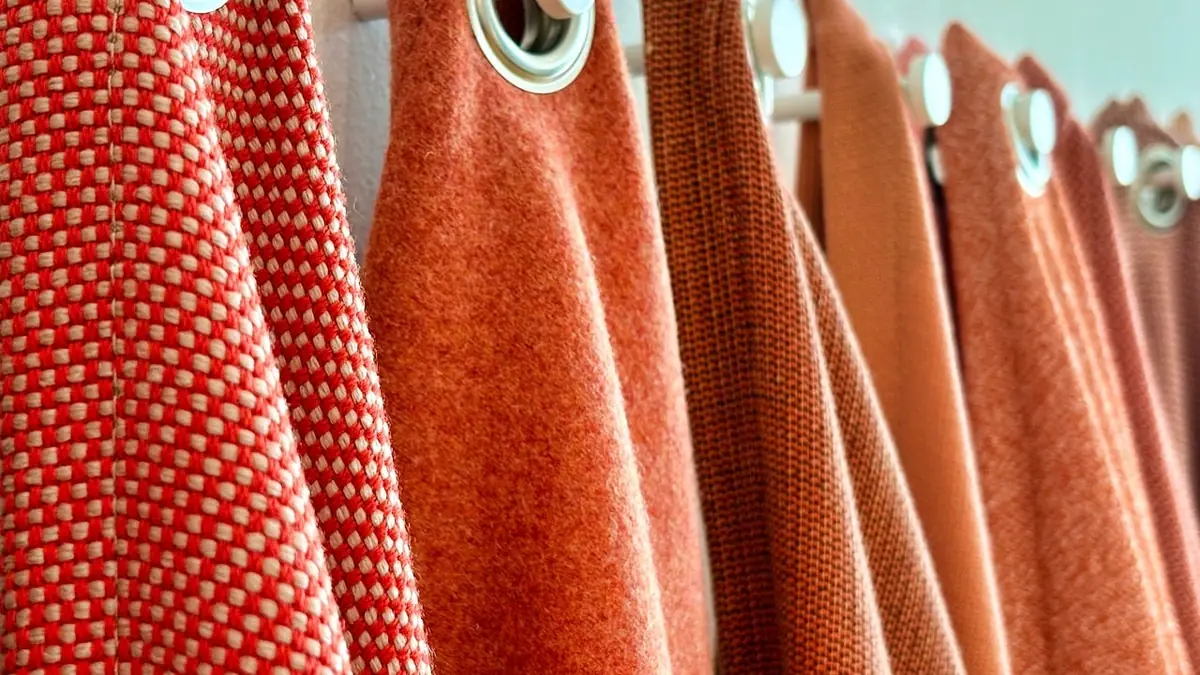
Custom window treatments are one of those purchases where the quote can land anywhere from a few hundred dollars to well over ten thousand for a whole house. The gap is rarely about markup alone. Fabric, motorization, window count, window shape, and installation logistics all compound, and a single oversized arched window can cost more than four standard bedroom windows.
This guide gives realistic ranges you can budget against, explains what actually drives the number on a quote, and flags the line items worth questioning before you sign. Treat the figures as ballparks for mid-grade materials from a reputable local workroom or dealer, then adjust for your region and the finishes you choose.
Typical Price Ranges by Treatment Type
For a standard window in the 30-to-48-inch width range, custom cellular or roller shades generally run about $150 to $450 per window installed, with blackout liners and cordless lift systems pushing toward the top of that band. Roman shades with a quality fabric and a lined body typically fall between $300 and $700. Faux wood blinds sit lower, roughly $80 to $250, while genuine hardwood blinds and two-inch wood slat products climb from $200 to $600 depending on slat thickness and finish.
Drapery is usually the largest line item because you are paying for fabric yardage, lining, fabrication labor, and hardware separately. Custom pinch-pleat or ripplefold panels commonly land between $400 and $1,200 per window for mid-range fabric, and designer fabrics can double that. Hardware adds $60 to $300 per window, and a decorative rod with rings and finials at the high end can rival the panels themselves. Plantation shutters are priced per square foot, typically $25 to $60 installed, so a large window can exceed $900.
- Roller and cellular shades: $150–$450 per window installed
- Roman shades: $300–$700 per window
- Faux wood blinds: $80–$250; hardwood: $200–$600
- Custom drapery panels: $400–$1,200 plus hardware
- Plantation shutters: $25–$60 per square foot installed
What Actually Drives the Quote Up
Fabric is the single biggest variable in soft treatments, and the difference between a $40-per-yard workroom fabric and a $180-per-yard imported linen is not subtle. Wide-width fabrics (54 inches and up) reduce seams and waste on large windows, but they cost more per yard. Linings matter too: a blackout lining with interlining can add 25 to 40 percent to the fabrication cost of a panel, though it dramatically extends the life of the face fabric and improves insulation.
Window geometry is the second big lever. Arches, angles, bays, corner windows, and anything over about 96 inches wide often requires custom fabrication, extra brackets, or a specialty headrail. Motorization adds roughly $200 to $600 per window for shades and more for drapery tracks, plus wiring or battery costs. Two-story foyers and windows above stairwells bring scaffolding, lift rental, or a two-person crew into the price, which can add several hundred dollars to installation alone.
- Fabric grade and yardage, including pattern repeat waste
- Lining and interlining choices
- Oversized, arched, or corner windows
- Motorization and smart-home integration
- Height access: ladders, lifts, two-person crews
How Measuring and Installation Affect Cost
Many dealers bundle measuring and installation into the price, but the labor is real and worth understanding. Inside-mount shades require precise measurements to the sixteenth of an inch, and a remeasure visit costs the installer time. If you plan to measure yourself to save money, follow a disciplined process: measure width in three places and height in three places, and use the smallest width and longest height for inside mounts. A sloppy measurement is the most common reason a custom order is remade at your expense.
Installation pricing typically runs $75 to $200 per window for blinds and shades, and $150 to $400 per window for drapery with hardware, depending on ceiling height and wall material. Drywall anchors into plaster or brick add time. If your project spans a whole house, ask for a flat installation rate rather than per-window pricing; on ten or more windows, the per-window figure usually drops noticeably.
- Ask whether measure and install are included or line-itemed
- Confirm who pays for remakes caused by measuring errors
- Whole-house projects often qualify for lower per-window install rates
Layering and Combining Treatments
Combining shades with drapery is where budgets quietly expand. A layered window with a woven shade and decorative panels can easily reach $900 to $1,800 per window, but layering buys light control, privacy, and insulation that a single treatment cannot match. The trick is to spend where it shows: put the money into the panels that frame the room and choose a simpler, well-fitted shade behind them.
Hardware placement also affects cost. A continuous ceiling-mounted track for ripplefold panels costs more than a standard rod but handles wide spans cleanly and avoids sagging. If you are layering, decide early whether the shade mounts inside the frame and the drapery outside, because that decision changes both the shade width and the rod projection, and changing it later means reordering.
- Budget $900–$1,800 per window for a full layered look
- Spend on visible panels; simplify the hidden shade
- Decide inside versus outside mount before ordering
Where to Save Without Regretting It
The safest savings come from simplifying, not downgrading. Choosing a cordless cellular shade over a motorized one, or a standard pleat over a ripplefold, cuts cost without hurting durability. Stock-size programs sold through workrooms can save 20 to 30 percent when your windows fall within standard widths, and fabric remnants or closeout bolts can dress a secondary bedroom beautifully for half the price of the main rooms.
Be cautious with the cheapest custom quotes. Very low prices often mean thinner headrails, plastic brackets, or unlined panels that will fade and sag within a few years. Ask what the warranty covers, whether the mechanism is rated for the weight of your window, and whether the fabric has been tested for fading. On high-sun exposures, a modest upgrade in lining or fabric quality pays back in longevity.
- Prioritize the rooms guests see; economize in bedrooms
- Stock sizes and closeout fabrics save 20–30 percent
- Check warranty terms on hardware and mechanisms
Budgeting for a Whole House
A common whole-house project of 12 to 18 windows in a mid-grade finish generally lands between $4,000 and $12,000 for shades or blinds, and $8,000 to $25,000 if drapery and hardware are included throughout. Phasing the work is entirely reasonable: handle the living and dining rooms first, then bedrooms, then secondary spaces. Ordering in phases also lets you live with one treatment before committing to the same fabric everywhere.
Get two or three itemized quotes rather than lump sums, and compare them line by line: fabric, fabrication, hardware, motorization, measure, and install. Itemized quotes reveal whether a low total hides a weak hardware allowance. Ask each vendor what lead time to expect; custom soft treatments commonly take four to eight weeks, and shutters can run longer.
- Whole-house shades: roughly $4,000–$12,000
- Whole-house with drapery: $8,000–$25,000+
- Request itemized quotes and compare allowances
- Expect 4–8 weeks lead time on custom fabrication
| Treatment | Low | High | Best For |
|---|---|---|---|
| Faux wood blinds | $80 | $250 | Bathrooms, rentals, tight budgets |
| Hardwood blinds | $200 | $600 | Living rooms, traditional interiors |
| Cellular shades | $150 | $450 | Energy efficiency, bedrooms |
| Roller shades | $150 | $400 | Clean modern looks, sun control |
| Roman shades | $300 | $700 | Softness and fabric interest |
| Drapery panels + hardware | $460 | $1,500 | Formal rooms, layering |
| Plantation shutters (per sq ft) | $25 | $60 | High-privacy, high-durability rooms |
- Custom shades and blinds typically run $150–$700 per standard window installed; drapery and shutters cost more.
- Fabric grade, window geometry, and access for installation are the biggest cost drivers, not the treatment type alone.
- Itemized quotes let you compare hardware and labor allowances instead of a single lump sum.
- Whole-house projects usually fall between $4,000 and $25,000 depending on whether drapery is included.
Jordan Ellis is the editor of NSWindowTreatments, with years of experience in home decor and window fashion. He is passionate about helping homeowners make informed decisions about window treatments that enhance both style and functionality.