Winter Porch Decor: Ideas for a Cozy Outdoor Space
By Jordan Ellis · Published · Updated · 5 minutes read
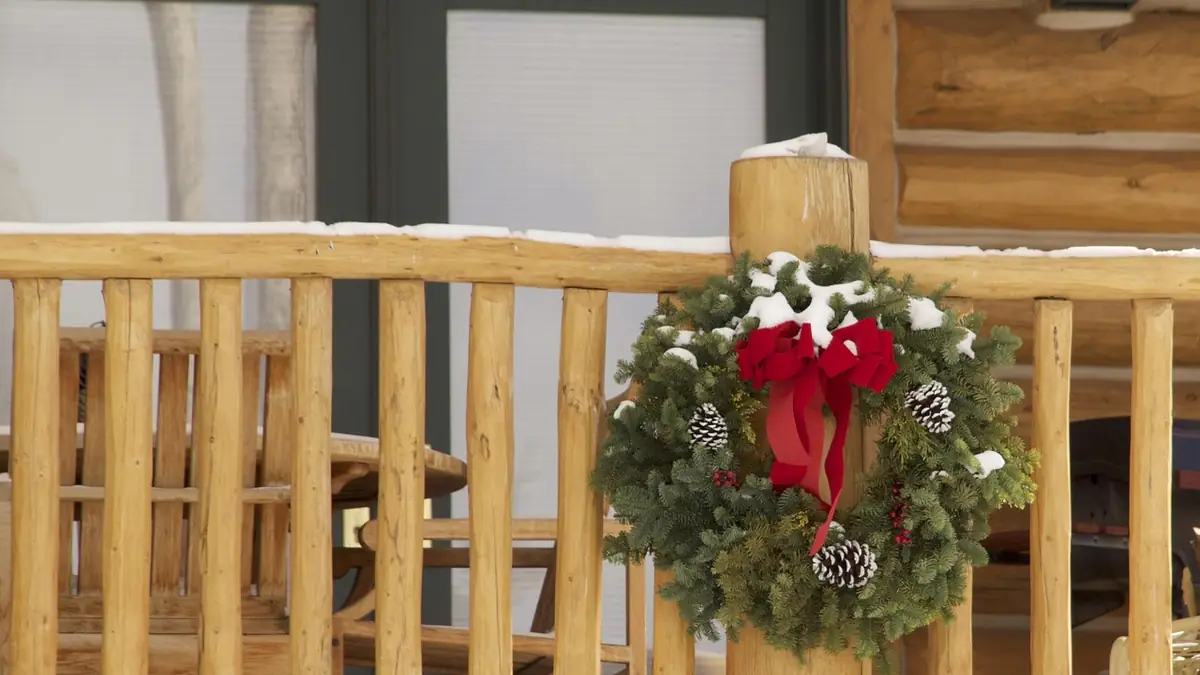
A winter porch does two jobs at once: it shields the entry from wind and wet boots, and it sets the tone before anyone steps inside. The trick is to decorate for cold rather than against it, using layers that hold up to damp air, salt spray and temperature swings without turning the space into a mudroom.
Below you will find materials and measurements that work in real weather, plus a layout plan for small stoops and long wraparound porches alike. Most of the ideas cost less than a new front door and can be stored or swapped when spring arrives.
Start With Wind and Moisture Control
Before adding a single cushion, decide how the porch handles wind-driven rain and snow. On an open porch, a pair of outdoor curtains hung 8 to 12 inches wider than the opening on each side lets you close off the windiest corner without blocking the view the rest of the time. Choose solution-dyed acrylic or polyester rated for outdoor use; those fabrics hold color for years and dry quickly after a storm.
Flooring matters just as much. A water-resistant mat of coir or rubber keeps meltwater at the door, and a slight slope away from the house prevents puddles from pooling under furniture. If your porch collects snow, keep the center clear and push decor to the edges so shoveling stays simple.
Anything that touches the ground should be raised an inch or two on feet or bricks. Wooden crates, planters and benches all last longer when air can move underneath, and this small step prevents the rot that ruins porch furniture after two or three wet winters.
- Outdoor curtains: 8–12 in. extra width per side for wind coverage
- Fabric: solution-dyed acrylic or outdoor-rated polyester
- Mats: coir for scraping, rubber for meltwater
- Lift all furniture 1–2 in. off the floor
Choose a Warm, Layered Color Palette
Winter light is flat and blue, especially on north-facing porches. Warm tones such as rust, camel, deep green and charcoal read richer against gray skies than pastels do, and they hide road salt and dust better. Pick two or three colors and repeat them in the rug, cushions, planters and door decor so the space looks intentional rather than cluttered.
Texture does most of the cozy work. A chunky knit throw, a ribbed doormat and a woven basket in the same palette give the eye plenty to enjoy without adding pattern. Avoid white upholstery outdoors; even treated fabrics show grime within weeks.
If your porch is visible from the living room, echo one interior color outside. A single repeated shade ties the two spaces together and makes the porch feel like an extension of the house rather than a storage zone.
- Warm neutrals and deep greens suit gray winter skies
- Repeat 2–3 colors across rug, textiles and planters
- Mix textures: knit, ribbed coir, woven baskets
- Skip white upholstery outdoors
Light the Porch for Long Evenings
Darkness arrives early in winter, so lighting is decor. Aim for two layers: a soft ambient source and a task light near the door. Battery or plug-in string lights along the ceiling beam give a warm 2700K glow, while a lantern or wall sconce beside the handle helps with keys and packages.
Use outdoor-rated fixtures with a minimum IP44 rating, and keep cords off walking paths. Solar stakes work in mild climates but fade in deep winter, so treat them as accents rather than primary light. A single warm bulb at the door is often more useful than a dozen decorative lights.
Candles and lanterns add charm but should never be left burning unattended on a covered porch with curtains nearby. Flameless LED candles give the same flicker with none of the risk.
- Layer ambient string lights with a task light at the door
- Choose 2700K bulbs for a warm glow
- Fixtures: IP44 or better for outdoor use
- Keep cords out of walkways
| Material | Cold tolerance | Wet-weather performance | Typical lifespan outdoors | Best used for |
|---|---|---|---|---|
| Solution-dyed acrylic fabric | Good | Dries fast, resists mildew | 5–8 years | Curtains, cushions |
| Polyester outdoor canvas | Good | Water-resistant, needs re-proofing | 3–5 years | Curtains, covers |
| Coir | Excellent | Absorbs moisture, dries slowly | 1–2 years | Doormats |
| Rubber | Excellent | Sheds water, easy to rinse | 5+ years | Doormats, boot trays |
| Glazed stoneware | Excellent (frost-proof) | Unaffected by freeze-thaw | 10+ years | Planters |
| Terracotta | Poor | Cracks after hard freeze | 1–2 winters | Indoor or sheltered use |
Furnish for Small Spaces and Big Porches
On a narrow stoop, skip the bench and use a slim console or wall-mounted shelf for lanterns and a basket of gloves. Leave at least 36 inches of clear width for the door to swing and for two people to pass. A small stool that tucks under a shelf adds seating without eating floor space.
A long porch can handle a seating zone, but group furniture rather than spreading it out. A bench, two chairs and a low table within a 6-by-8-foot area feel cozier than the same pieces spaced along the railing. Anchor the group with a weatherproof rug sized so the front legs of each seat sit on it.
Keep cushions indoors or in a deck box when not in use. Even outdoor foam holds damp, and a winter of wet cushions is a winter of mildew.
- Keep 36 in. clear at the door for swing and passage
- Group seating in a 6x8 ft zone rather than spreading it out
- Rug should catch the front legs of every seat
- Store cushions in a deck box between uses
Add Greenery That Survives the Cold
Evergreen clippings, boxwood balls and small conifers handle frost far better than flowering plants do. Group three pots of different heights, roughly 12, 18 and 24 inches, at one side of the door for a balanced look. Use frost-proof containers; terracotta cracks after a hard freeze, while glazed stoneware and resin hold up.
Water evergreens sparingly in winter. They need little, and standing water in a saucer freezes into a block that damages roots. Elevate pots on bricks so drainage holes stay clear.
For a longer-lasting display, mix real boughs with a few faux stems. Real greenery gives scent and texture; faux stems keep the arrangement full once the clippings dry out in four to six weeks.
- Use frost-proof pots: glazed stoneware or resin
- Stagger heights around 12, 18 and 24 in.
- Elevate pots so drainage holes stay open
- Mix real boughs with faux stems for longevity
Keep It Maintainable All Season
A winter porch collects grit, salt and wet leaves. Choose removable, washable covers and shake out mats weekly. Most outdoor fabrics wipe clean with mild soap and water, and a quick rinse keeps salt from stiffening the weave.
Curtains used for wind blocking should be taken down or tied back in calm weather so they dry fully. Check hooks and grommets monthly; cold makes hardware brittle, and a snapped ring can drop a panel onto wet ground.
At the end of the season, store textiles dry and folded loosely in a bin. Anything packed damp will smell by spring.
- Shake mats weekly; rinse salt from fabrics
- Tie back wind curtains in calm weather to dry
- Check hooks and grommets monthly in cold snaps
- Store textiles dry and loosely folded
Match the Porch to the Windows Behind It
The porch reads as part of the house when its colors and hardware echo the windows and doors. If your interior uses warm wood tones, repeat them in a bench or planter box outside. If the windows have dark frames, carry that shade into lanterns or a doormat border.
For deeper guidance on dressing the glass itself, see our drapery measuring and installation checklist and energy-efficient window treatments. Both help you plan layers that look good from the porch side and keep heat inside on cold nights.
Families with young children should also review child safety and window treatments before adding cords or long panels near a frequently used entry.
- Echo interior wood tones in outdoor furniture
- Repeat window frame colors in small accents
- Plan window layers before buying porch textiles
- Block wind with outdoor curtains sized 8–12 in. wider per side, and keep 36 in. clear at the door.
- Warm tones and mixed textures read best in flat winter light; skip white upholstery outdoors.
- Layer a 2700K ambient light with a task light at the handle, using IP44 fixtures.
- Choose frost-proof pots and raise all furniture 1–2 in. so meltwater drains and materials last.
Jordan Ellis is the editor of NSWindowTreatments, with years of experience in home decor and window fashion. He is passionate about helping homeowners make informed decisions about window treatments that enhance both style and functionality.