Carole Drapery by Hunter Douglas: Fabric & Style Guide
By Jordan Ellis · Published · 4 minutes read
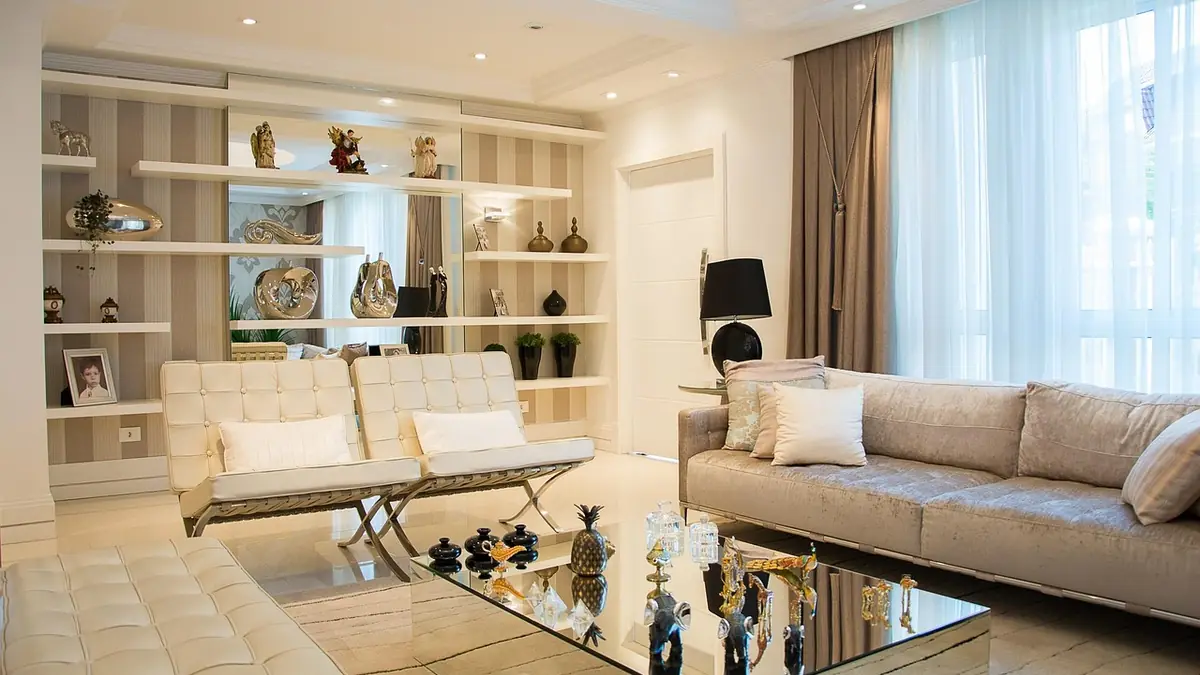
Carole Drapery by Hunter Douglas is a custom drapery collection known for its rich fabric selection and tailored look. It suits homeowners who want softness, color, and a finished designer feel rather than a purely functional window covering.
This guide covers the fabrics, styling options, and practical considerations you should weigh before ordering. You'll also find comparative data to help you plan budget and lead time.
What Carole Drapery Offers
Carole Drapery is part of Hunter Douglas's custom drapery lineup, positioned as a design-forward option with a wide range of fabrics. You can choose from solids, textures, and subtle patterns in palettes that range from warm neutrals to deeper jewel tones. The collection is made to order, so sizes and lining choices are specified for your windows.
Unlike off-the-shelf panels, Carole drapery is fabricated to your measurements. That means you can specify fullness, lining, and header style to control how the drapery hangs and performs. Typical fullness for a custom look is 2x to 2.5x the window width, which gives soft folds without overwhelming a room.
The collection works well in living rooms, bedrooms, and dining spaces where fabric adds warmth and sound absorption. Because it is custom, it pairs easily with existing blinds or shades if you plan to layer.
- Custom widths and lengths, including ceiling-height panels
- Fabric choices from light sheers to heavier textures
- Lining options for privacy, light control, and insulation
- Header styles such as pinch pleat, tailored pleat, and ripplefold
Fabric Options and How They Perform
Carole fabrics vary in weight, weave, and light blockage. Sheer and semi-sheer fabrics filter light and soften glare but offer limited privacy at night. Medium-weight fabrics balance light control and drape, making them a common choice for bedrooms and living rooms. Heavier textures provide more privacy and a more substantial look.
Lining changes performance more than most people expect. A standard lining improves drape and protects the face fabric from sun fade. A blackout lining can block most incoming light, which is useful in bedrooms, but it also makes the drapery heavier and may require sturdier hardware.
For sunny exposures, consider a lining with UV protection and avoid placing delicate fabrics where afternoon sun hits directly. If you need thermal help, pair drapery with a separate shade rather than relying on fabric alone.
- Sheers: light filtering, low privacy, best for layering
- Medium weights: everyday light control and good drape
- Heavy textures: more privacy and visual weight
- Blackout linings: bedroom-friendly but heavier
- Interlining: adds body and a softer hand
Design Versatility: Headers, Hardware, and Layering
The header style sets the character of the drapery. Pinch pleat is formal and tailored, with fixed pleats that stack neatly. Ripplefold is more contemporary, using a track system and a continuous wave of fabric. Tailored pleat sits between the two and suits both traditional and modern rooms.
Hardware matters as much as fabric. A simple metal rod works in modern spaces, while wood rings and decorative finials suit traditional interiors. For heavy fabrics, specify brackets rated for the weight and consider a ceiling-mounted track if you want a clean, full-height look.
Layering drapery over blinds or shades gives you flexible light control and a more finished window. The general rule is to mount the drapery rod wide enough that the panels stack off the glass when open, so you keep the view and daylight.
- Pinch pleat: formal, structured folds
- Ripplefold: contemporary, smooth waves
- Tailored pleat: versatile middle ground
- Ceiling mount: clean, architectural look
- Decorative rods: warmth and traditional detail
| Fabric type | Light control | Privacy | Relative cost | Typical lead time |
|---|---|---|---|---|
| Sheer | Low–medium | Low | $$ | 4–6 weeks |
| Medium-weight solid | Medium | Medium–high | $$$ | 4–8 weeks |
| Textured/patterned | Medium–high | High | $$$–$$$$ | 5–8 weeks |
| Blackout-lined | High | High | $$$$ | 5–8 weeks |
| Interlined (any fabric) | Medium–high | High | $$$$ | 6–10 weeks |
Measuring and Ordering Custom Drapery
Custom drapery depends on accurate measurements. Measure the window width and the rod or track width, then decide on stack-back and return. For a generous look, plan for 2x to 2.5x fullness. Length should be decided by the look you want: sill length, below-sill, floor length, or break at the floor.
Ordering custom drapery usually involves a consultation, fabric selection, and a measure. Lead times for custom work commonly run 4 to 8 weeks, though fabric availability and season can push that longer. Always confirm whether installation is included or quoted separately.
If you're unsure about measuring, a professional measure reduces the risk of costly remakes. It's also worth requesting a fabric sample to see the color in your room's light before committing.
- Measure rod width, not just glass width
- Plan 2x–2.5x fullness for a custom look
- Decide length before ordering
- Ask for fabric samples in your lighting
- Confirm lead time and installation costs
Cost, Care, and Practical Considerations
Custom drapery is an investment. For a typical window, Carole Drapery pricing often falls in the mid-to-premium range compared with ready-made panels, depending on fabric, lining, and size. A single wide window with a premium fabric and blackout lining can cost several times more than an off-the-shelf pair.
Care depends on the fabric. Many custom draperies are dry-clean only, while some are vacuum-cleanable with a brush attachment. Regular light dusting and occasional professional cleaning help maintain appearance. Sun exposure is the main enemy of fabric color, so linings and UV protection are worth considering.
Also think about child safety if you have cords or long pulls. Cordless options or secure tie-backs reduce risk. For a deeper look at layering and safety, see How to Layer Window Treatments Like a Designer and Child Safety and Window Treatments: What You Need to Know.
- Mid-to-premium pricing vs. ready-made
- Dry-clean or professional cleaning often required
- Lining extends fabric life
- Cordless or secure hardware for child safety
Where Carole Drapery Works Best
Carole Drapery shines in rooms where fabric is part of the design story: living rooms, primary bedrooms, dining rooms, and home offices. In these spaces, the softness and color of custom drapery add warmth that blinds alone cannot. It also helps with echo in hard-surfaced rooms.
In high-moisture areas like bathrooms or kitchens, drapery is less practical unless you choose a washable fabric and keep it away from splashes. For those rooms, consider a shade instead. If you're comparing shade styles, Roman Shades vs. Roller Shades: Which Is Right for Your Home? can help clarify the trade-offs.
For energy-conscious homeowners, drapery can contribute to comfort but is rarely a substitute for insulation upgrades. Pairing drapery with an energy-efficient shade is the more effective approach; see Energy-Efficient Window Treatments: Saving on Heating and Cooling for the bigger picture.
- Living rooms and bedrooms: warmth and softness
- Dining rooms: color and formality
- Home offices: glare control and polish
- Avoid in high-moisture areas unless washable
- Carole Drapery is a custom collection; fabric, lining, and header drive both look and performance.
- Plan 2x–2.5x fullness for a tailored result, and mount rods wide enough to stack panels off the glass.
- Lining is the most effective upgrade for privacy, light control, and fabric longevity.
- Budget for custom lead times of 4–8 weeks and confirm installation costs before ordering.
Jordan Ellis is the editor of NSWindowTreatments, with years of experience in home decor and window fashion. He is passionate about helping homeowners make informed decisions about window treatments that enhance both style and functionality.